
Cyber Security Assessment Services and IT Security in London: Protecting Business Information and Critical Digital Assets
In today’s highly connected digital world, cyber threats are constantly evolving — and London, as one of the world’s major financial and technological hubs, sits squarely in the crosshairs of sophisticated attackers. The UK cybersecurity market is now one of the largest and most dynamic in Europe, generating an estimated £13.2 billion in annual revenue, with hundreds of cyber firms, thousands of professionals, and a rapidly rising demand for security expertise.
For organisations operating in London and beyond, securing sensitive data, networks, and business processes is no longer optional. Cyber Security Assessment Services and comprehensive IT Security London strategies have become essential components of modern risk management frameworks. This article examines what these services are, why they matter, and how companies like Cyber Security London are positioned to help firms protect themselves in an increasingly hostile cyber environment.
Understanding Cyber Security Assessment Services
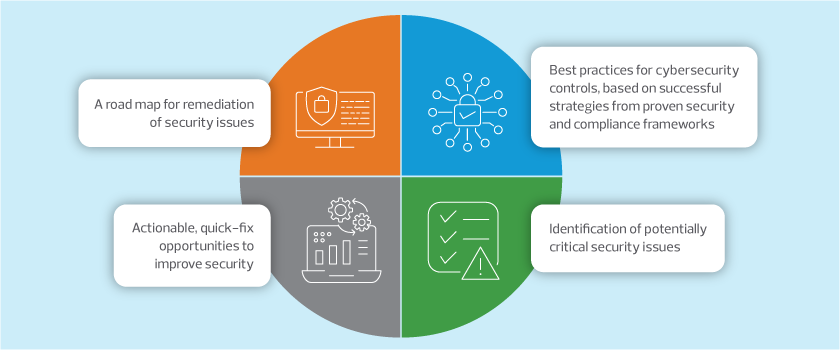
A Cyber Security Assessment Service is a structured review of an organisation’s IT systems, policies, processes, and defenses with the goal of identifying vulnerabilities and recommending effective mitigations. At its core, a cybersecurity assessment is not just a checklist exercise; it drives strategic understanding of risk, reveals weaknesses before attackers can exploit them, and informs improvements that reduce the likelihood and impact of breaches.
Core Types of Assessments
Several distinct assessments often form part of a complete security evaluation:
- Vulnerability Assessments: Automated and manual scans of networks and systems to detect weaknesses that could be exploited by attackers.
- Penetration Testing: Ethical hackers simulate realistic attacks to test systems from an adversary’s perspective and uncover hidden vulnerabilities.
- Risk and Compliance Assessments: Reviews that ensure the organisation’s security stance aligns with legal and regulatory frameworks such as GDPR, ISO 27001, and others.
- Incident Readiness Reviews: Evaluations of preparedness for real incidents, including how quickly and effectively a business could respond if breached.
These services help organisations build a detailed, evidence‑based understanding of their security posture and provide tailored guidance to reduce business risk.
Why Assessments Are Essential
A formal security assessment brings multiple advantages:
- Early Detection of Weaknesses: By identifying vulnerabilities proactively, businesses avoid being reactive after an incident.
- Regulatory Compliance: Assessments help organisations meet UK and EU data protection requirements, reducing legal and financial risk.
- Strategic Security Planning: The insights gained from assessments guide investment decisions in defenses and technologies most relevant to an organisation’s risk profile.
- Stakeholder Confidence: Demonstrating strong controls and risk management strengthens trust with customers, partners, and investors.
Overall, regular and thorough assessments are foundational to resilient information security — especially for organisations handling sensitive data.
IT Security London: A Strategic Imperative
London is home to thousands of financial services firms, tech companies, healthcare institutions, and global operations — each of which relies on secure digital infrastructure. The capital city’s dense, digitally interconnected economy makes it a prime target for cyber criminals, including state‑sponsored actors and organised cyber‑crime groups.
The Threat Landscape in the UK and London
Across the UK, cybersecurity incidents continue to rise in number and intensity. Recent government reporting reveals a 50 % increase in “highly significant” cyber incidents year‑on‑year, affecting major brands and critical infrastructure alike.
Business and public sector entities have experienced everything from ransomware outbreaks to data exfiltration and service disruptions, underlining the urgency of building solid IT security strategies. The UK government is also enhancing regulatory frameworks to require timely reporting of incidents, stricter response standards, and comprehensive security obligations for medium and large suppliers.
IT Security’s Role in Business Continuity
IT security is not solely a technical concern — it directly impacts a company’s survival and reputation. Effective IT Security in London must encompass people, processes, and technologies that protect information systems against internal and external threats. This includes measures such as:
- Access Controls and Encryption to protect confidential data from unauthorised access
- Continuous Monitoring and Threat Detection Systems to identify suspicious activity
- Incident Response Planning that ensures rapid containment and recovery after a breach
- Employee Awareness Training to combat social engineering and phishing attacks
Investing in proactive security measures can mean the difference between a minor ransomware event and a major breach that disrupts operations for weeks.
Business Information Security: The Core of Corporate Risk Management
While cybersecurity broadly covers technical defenses, Business Information Security is the discipline focused on protecting all forms of critical business data — whether digital, paper‑based, or processed by human employees.
At its heart, business information security revolves around three key principles: confidentiality, integrity, and availability — commonly known as the CIA triad. These principles ensure that only authorised users can access sensitive data, that data remains accurate and unaltered, and that systems are available when needed.
In the context of a business:
- Confidentiality prevents exposure of personal, financial, or strategic data.
- Integrity guards against unauthorised or malicious alterations that could corrupt business intelligence.
- Availability ensures that operational systems stay online and accessible, even under attack.
Failure in any of these areas can lead to severe financial losses, regulatory penalties, and erosion of customer trust — as seen in high‑profile data breach cases in the UK and globally.
Therefore, business leaders must embed information security into corporate culture, policy development, and strategic planning. It cannot be an afterthought or isolated to IT departments alone.
Cyber Security London: A Trusted Partner in Local Cyber Defense
Within this competitive but essential security services landscape, Cyber Security London stands as a representative company name offering comprehensive Cyber Security Assessment Services, IT Security London solutions, and Business Information Security expertise.
While each organisation’s needs vary, firms like Cyber Security London typically provide integrated services designed to protect organisations across all sectors — from penetration testing to vulnerability assessments, compliance reviews, and incident response planning. These services help clients identify exposure points, implement strong controls, and maintain compliance with modern legal frameworks such as GDPR.
London’s position as one of the leading global cyber security markets attracts both domestic and international expertise. The UK’s cyber security sector employs tens of thousands of professionals and continues to grow as threats and technology complexity increase.
Working with a trusted security partner enables companies to:
- Conduct regular Cyber Security Assessment Services to detect weaknesses before attackers do.
- Implement and continually refine IT Security London protective measures.
- Ensure that Business Information Security policies and systems align with business goals and regulatory demands.
Cyber Security London, by focusing on deep assessment, strategic implementation, and tailored solutions, helps businesses build robust defences in a landscape where attacks are both more frequent and more sophisticated.
Best Practices for Cyber Risk Management
To maximise the effectiveness of security investments, organisations should align their cyber programs with recognised standards and frameworks such as ISO 27001 or the government‑endorsed Cyber Essentials certification scheme. These frameworks provide structured approaches to assessing and improving information security.
Additionally, regular security audits and risk assessments — ideally conducted at least annually or whenever significant changes are made to infrastructure — allow businesses to stay ahead of threats and adjust strategies proactively.
Equally important is fostering a security‑aware culture through continuous employee education. Phishing simulations, secure coding practices, and stringent access controls reduce the likelihood that human error will become a breach vector.
Conclusion
In London’s vibrant business ecosystem, digital transformation has become pervasive, and with it, exposure to cyber threats has escalated. Cyber Security Assessment Services are no longer optional checkboxes but essential components of a strategic defence posture. IT Security London initiatives strengthen critical systems, defend against modern attacks, and ensure continuity of operations. Meanwhile, Business Information Security safeguards the data that underpins commerce, compliance, and customer trust.
Organisations like Cyber Security London help businesses navigate this complex landscape by offering tailored security assessments, expert guidance, and practical solutions — ensuring that companies not only comply with regulatory demands but also build resilient, future‑ready security architectures.
In an era where cyber threats continue to grow in sophistication and scale, proactive assessment and management of security risk is the key to protecting assets, reputation, and long‑term success.